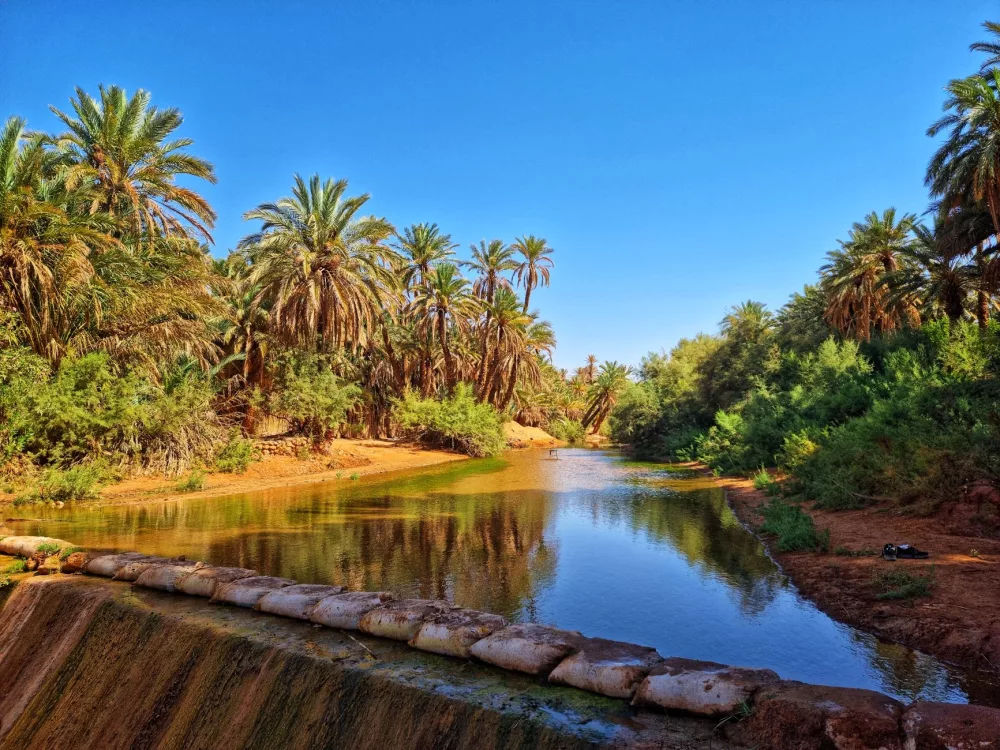
Imagine standing in the vast, relentless expanse of a desert. The sun beats down, the sand stretches endlessly, and the silence is profound, broken only by the wind. Then, in the distance, a shimmer—a hint of green, a promise of life. That, my friends, is an oasis. For me, the very idea of an oasis stirs something primal. It's not just a patch of green; it's a symbol of hope, survival, and an almost miraculous defiance of an unforgiving environment. We're talking about natural springs or underground rivers that manage to surface, creating a haven for flora, fauna, and, of course, people.
How These Green Havens Form: A Geological Marvel
You might wonder, as I often do, how these incredible pockets of life come into being. It isn't just random luck; there's some fascinating geology at play. Essentially, an oasis is formed wherever water, often from an aquifer, reaches the surface. This can happen in a few different ways:
- Spring-Fed Oases: Sometimes, fault lines in the Earth's crust allow underground water to bubble up. Think of it like a crack in a pipe; the water finds its way out. These are often the most stable and long-lasting oases, sustained by consistent flow from deep aquifers. I find it incredible that these geological imperfections can lead to such vibrant life.
- Artesian Basins: Picture a huge underground bowl of permeable rock, sandwiched between layers of impermeable rock. When rain falls on higher ground, it seeps into this permeable layer. The pressure builds up, and if there's a crack or a well drilled into the basin, the water can naturally gush to the surface without needing to be pumped. It’s like Mother Nature’s own plumbing system, isn’t it?
- Wadis and Seasonal Flows: While not traditional oases in the permanent sense, many desert regions have 'wadis'—dry riverbeds that occasionally fill with water during rare flash floods. These temporary water sources, even though fleeting, can support vegetation that adapts to these boom-and-bust cycles. They aren't the lush paradises you might picture, but they're still vital.
- Fossil Water: Some oases tap into ancient groundwater reserves, sometimes thousands of years old, accumulated during past wetter climates. These are, in a way, non-renewable resources, and it's a sobering thought that we're essentially using water from a different era.
Each type represents a truly unique interaction between water, rock, and the sun. It's a delicate balance, and that's what makes them so special to observe.
Life's Incredible Resilience: The Oasis Ecosystem
Once water is present, life explodes. An oasis isn't just water; it's a complete, thriving micro-ecosystem that stands in stark contrast to its barren surroundings. It's a testament to life's adaptability.
Flora of the Oasis: Adapting to Extremes
My favorite part about visiting these places is seeing the incredible plant life. You’ll typically find:
- Date Palms: These are the iconic trees of the oasis. Their deep root systems can reach far down to the water table, and they provide shade, fruit, and building materials. They're pretty much the cornerstone of many oasis communities.
- Reeds and Rushes: These often grow directly in the water or along the banks, providing cover and habitat for smaller creatures.
- Salt-Tolerant Plants: In some oases, the water can be saline. Certain plants have adapted to thrive in these conditions, showing us just how tough life can be.
The shade provided by these plants also reduces evaporation, helping to keep the oasis cooler and more humid than the surrounding desert. It creates its own little climate!
Fauna's Sanctuary: A Bustling Hub
The presence of water and vegetation transforms an oasis into a magnet for desert animals. It's a lifeline, really.
- Birds: Migratory birds often use oases as vital refueling stops on long journeys. You'll hear them chirping and flitting about, a sound that feels so out of place in the desert's silence.
- Insects and Reptiles: Lizards, snakes, and a myriad of insects find shelter and food. They're often well-camouflaged, but if you look closely, you'll spot them.
- Mammals: From rodents to larger desert animals like gazelles (who might risk the journey for water), oases become critical watering holes. Predators, too, like jackals or even big cats in some regions, are drawn to the abundance of prey.
I always feel like I'm witnessing a complex, miniature world when I'm at an oasis, a constant dance of life and survival.
Humanity's Deep Connection to the Oasis
For millennia, oases haven't just been natural phenomena; they've been the very engines of human civilization in arid lands. Our history is deeply intertwined with these green patches.
Ancient Lifelines and Trade Routes
Think about the ancient trade routes, like the Silk Road. Oases weren't just rest stops; they were critical nodes, allowing caravans to resupply, rest, and exchange goods and cultures. Without them, vast tracts of the world would have been impassable. People built entire cities around them, developing sophisticated irrigation systems to expand their reach.
Modern Communities and Agriculture
Even today, many communities flourish around oases. Agriculture, primarily date farming, but also other crops like fruits and vegetables, is common. They’re often vibrant, self-sustaining pockets in otherwise barren regions. They’ve become tourism destinations too, drawing visitors keen to experience this unique blend of nature and culture. It’s pretty special to see how traditions persist in these places, often centered around the precious water.
The Challenges These Paradises Face
Despite their resilience, oases aren't immune to the pressures of the modern world. In fact, many are quite fragile, and I worry about their future.
- Climate Change: Changes in rainfall patterns and increased temperatures can severely impact the aquifers that feed oases. Reduced precipitation means less recharge, putting these vital water sources at risk.
- Over-extraction: As human populations grow and agricultural demands increase, there's a significant risk of over-pumping groundwater. When we take more water than the aquifer can replenish, the oasis can literally dry up. It's a sad reality in many places.
- Desertification: The expansion of deserts due to climate change and human activities can engulf oases, making their fight for survival even harder.
- Pollution: Contamination from agriculture or human waste can spoil the precious water, rendering an oasis uninhabitable for many species.
It's clear to me that preserving these natural wonders is not just an environmental issue; it’s a cultural and historical imperative. Many organizations and local communities are working on sustainable water management practices and conservation efforts. We really can't afford to lose these unique ecosystems.
Standing at the edge of an oasis, I can't help but feel a profound sense of awe. It's a stark reminder of nature's power to create life in the most challenging conditions. These green islands in the sand are more than just beautiful spots; they’re living monuments to survival, connection, and the enduring miracle of water. My hope is that we can continue to protect them, ensuring future generations can also experience their unique magic.