I often hear a common refrain from patients who are missing teeth: "Dental implants sound wonderful, but they're just too expensive." It's a sentiment I understand completely. The initial price tag can certainly appear daunting, prompting many to consider less ideal, temporary solutions. However, what if I told you that the perception of dental implants being exclusively for the wealthy is, in many cases, a misconception? My experience in the field tells me that with a bit of research, understanding, and strategic planning, high-quality, long-lasting dental implants are far more accessible than most people realize.
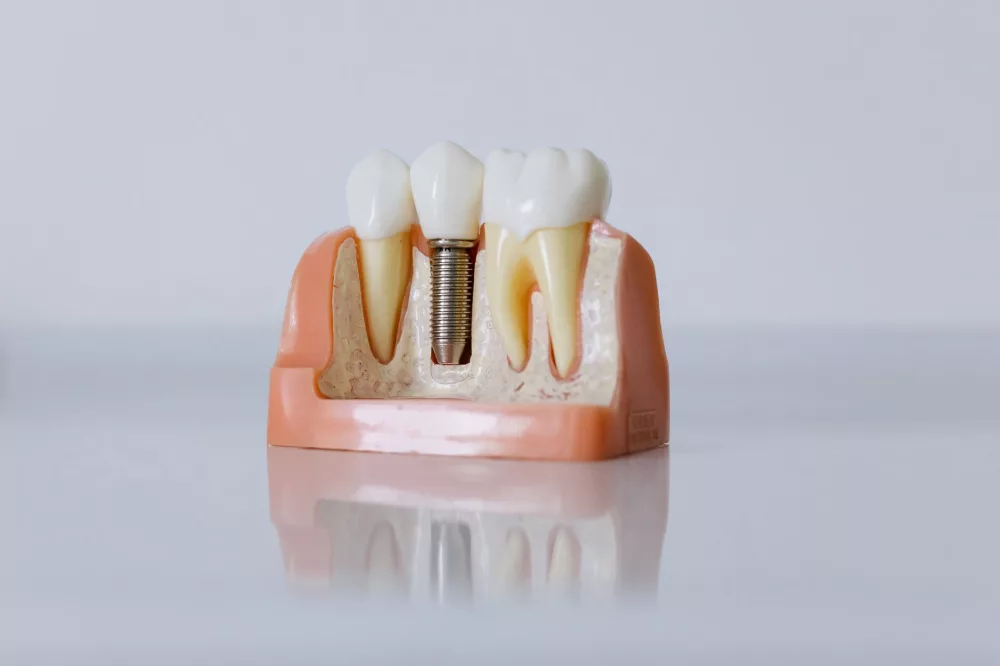
Dental implants are truly a game-changer for oral health and overall well-being. They aren't just about aesthetics, though a confident smile is an incredible benefit. They're about restoring chewing function, preventing bone loss in the jaw, and maintaining the structural integrity of your face. Essentially, an implant is a small, biocompatible post, usually made of titanium, that's surgically placed into the jawbone beneath the gum line. This post acts like a tooth root, providing a sturdy foundation for a custom-made crown, bridge, or even dentures.
Why Dental Implants Seem Expensive (and Why They're Worth It)
Let's be frank: dental implants involve a surgical procedure, high-tech materials, and the expertise of highly trained professionals. It's not a simple filling. The process typically involves several stages, including:
- Initial consultation and imaging (X-rays, 3D scans)
- Tooth extraction (if necessary)
- Bone grafting (if required to build up jawbone density)
- Implant placement surgery
- A healing period (osseointegration, where the implant fuses with the bone)
- Placement of an abutment (a connector piece)
- Attachment of the final restoration (crown, bridge, etc.)
Each of these steps contributes to the overall cost. However, I always emphasize that we're talking about a permanent solution that, with proper care, can last a lifetime. Compare that to dentures or traditional bridges, which often need replacement every 5-10 years. Over the long run, implants can actually prove to be the more economical choice, saving you future dental expenses, not to mention the immense benefits to your quality of life.
Navigating the Path to More Affordable Dental Implants
So, how does one go about making this life-changing treatment fit within a realistic budget? I've seen several approaches work wonderfully for my patients:
Understanding Different Implant Options
It's not a one-size-fits-all scenario. While traditional dental implants are incredibly versatile, there are other types that might be more suitable, and sometimes more cost-effective, depending on your individual needs:
- Mini Dental Implants (MDIs): These are smaller in diameter than traditional implants and are often used to stabilize lower dentures. They typically cost less, require a less invasive procedure, and have a quicker recovery time. They're not for everyone, but they're definitely a consideration for certain cases.
- All-on-4® or All-on-6®: For patients needing to replace an entire arch of teeth, these techniques use four or six strategically placed implants to support a full set of fixed dentures. While the upfront cost might seem substantial, it's often more affordable than replacing each tooth with an individual implant.
- Implant-Supported Dentures: These combine the stability of implants with the affordability of dentures. Instead of relying on suction or adhesives, your dentures snap onto a few implants, offering vastly improved stability and comfort.
Exploring Payment Plans and Financing Solutions
Most dental practices, including my own, recognize that paying for a significant procedure upfront can be a challenge. We often work with patients to establish manageable payment plans. Don't hesitate to ask about:
- In-house payment plans: Many clinics offer installment plans, allowing you to pay over several months without interest.
- Third-party financing options: Companies like CareCredit or LendingClub specifically cater to healthcare expenses. They offer various plans, some with deferred interest for a set period, which can be incredibly helpful.
- Flexible Spending Accounts (FSAs) and Health Savings Accounts (HSAs): If you have one of these through your employer, you can use pre-tax dollars to cover dental expenses, effectively saving you money.
Leveraging Dental Insurance
This is where things can get a little tricky, as coverage for dental implants varies wildly. While many standard dental insurance plans don't fully cover implants, some might cover a portion of the related procedures, such as extractions, bone grafts, or the crown itself. I always advise patients to:
"Contact your insurance provider directly. Get a detailed breakdown of what's covered, what's not, and any annual maximums. Having this information upfront is crucial for budgeting."
Don't just assume; always confirm.
Seeking Care at Dental Schools and Community Clinics
For those truly constrained by budget, dental schools can be an excellent resource. Procedures there are performed by dental students under the watchful eye of experienced professors. The quality of care is meticulously supervised, and the costs are significantly lower than private practices. Similarly, some community dental clinics and public health programs offer reduced-cost dental services to eligible individuals.
The Role of Dental Tourism (with Caution)
I've seen patients consider dental tourism, traveling to countries where dental procedures are less expensive. While the lower cost can be appealing, I urge extreme caution here. The regulations, material quality, and post-procedure care can vary dramatically. If you're considering this, meticulously research the clinic, the dentists' credentials, and ensure you understand the risks involved with follow-up care if complications arise once you're back home. Quality should always remain paramount.
The Long-Term Value and Preventative Measures
Choosing an implant is an investment in your health. Beyond addressing missing teeth, preventative care is essential. Regular check-ups, diligent brushing and flossing, and addressing issues like gum disease early can prevent the need for more complex, and therefore more expensive, treatments down the line. I always tell my patients, "An ounce of prevention is worth a pound of cure," and that holds incredibly true in dentistry.
Ultimately, finding affordable dental implants isn't about compromising on quality or safety. It's about being informed, exploring all available options, and having an open conversation with your dental professional. We're here to help you achieve a healthy, functional, and confident smile, and often, that means finding creative solutions to make the treatment you need a reality. Don't let the initial perceived cost deter you from exploring what could be a permanent solution to your oral health challenges. There are pathways to affordability, and together, we can find the one that's right for you.